Sweatshirts for Swim Training
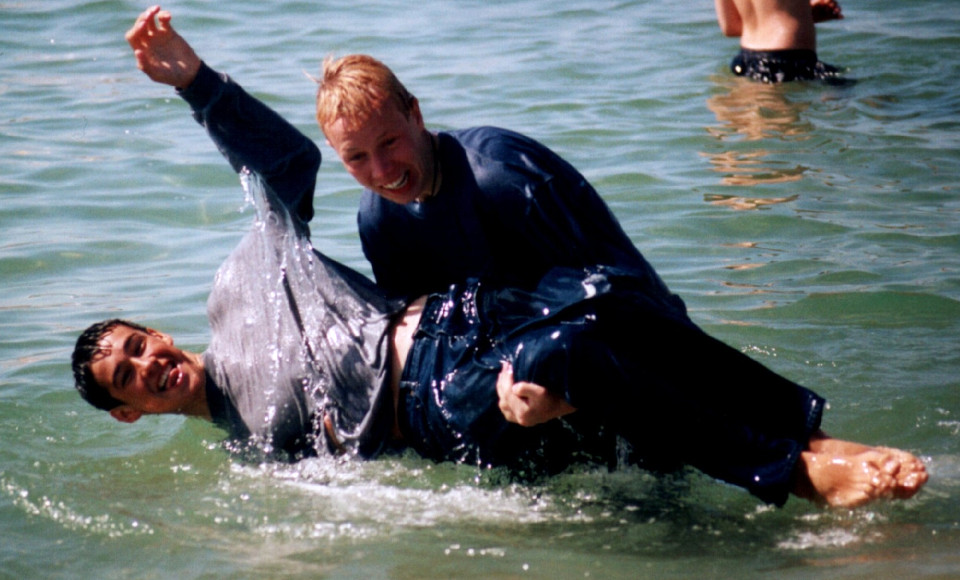
In warm weather sweatshirts are ideal for adventure swimming, aquatic fitness training or just splashing around.
Sweatshirts can be worn in and around water in warm weather. There are a few reasons some people find them useful for adventure swimming, aquatic fitness training, and casual water play. However, the benefits depend heavily on the fabric and conditions.
Teamwear for Swimming Games
If you teach an advanced swimming class that involves games or team sports, sweatshirts are a good way to dress in different colours to identify swimmers in team sports and games. This is great fun and builds team spirit.
Aquatic Boot Camp
In aquatic boot camps the training is hard because you're always fully clothed in the water.
Swimming in jogging suits or jeans with sweatshirts quickly builds muscles, strength and stamina.
The lessons are tough but huge fun and bring results.
Fitness Swimming
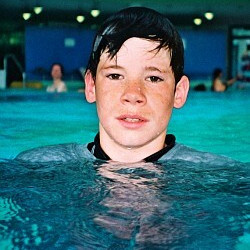
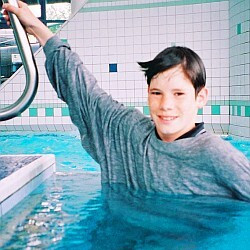
Sweatshirts and sweatpants soak up more water than their own weight which you have to move along in the pool or or do exercises on poolside, giving you a better workout because of the added resistance. Better swimming classes include this in every swimming lesson for fun and fitness training.
During aquatic fitness training you may spend time on poolside between drills or coaching sessions. Bring several sweatshirts to a pool session. A dry sweatshirt during rest periods helps maintain muscle warmth, which may improve comfort and reduce the feeling of stiffness before the next training interval. Keep it on when you go back into the water because putting on a clammy cold sweatshirt from a previous session on doesn't feel good.
Protection from Sun Exposure
A lightweight sweatshirt can provide an extra layer of protection against UV rays, especially on the shoulders, back, and arms, areas that receive prolonged sun exposure during open-water swimming, paddle sports, or beach activities. This can reduce reliance on repeatedly applying sunscreen to covered areas.
Warmth During Transitional Periods
Even on warm days, water can feel significantly cooler than the air.
After exiting the water, wind and evaporation can rapidly cool the body.
A sweatshirt helps retain warmth in and out of the water and during breaks between swims,
reducing discomfort from wind chill.
Comfort During Adventure Activities
Adventure swimming often involves more than just swimming. You may:
- Walk along shorelines.
- Swim a distance.
- Wade through shallow water.
- Climb onto rocks from the water.
- Hike between swimming locations.
- Travel by boat or kayak.
A comfortable sweatshirt and long pants can provide protection from scratches, insects, sunburn, and changing weather conditions
during swimming and non-swimming portions of your trek.
Protection from Wind
Warm weather does not always mean calm weather. Coastal areas, lakes, and reservoirs can experience strong breezes. A sweatshirt can serve as a simple wind barrier, helping swimmers stay comfortable in and out of the water. An anorak, cagoule, or windbreaker keeps you even warmer.
Reduced Abrasion
Some adventure swimmers wear lightweight tops to minimize skin irritation caused by:
- Backpack straps.
- Buoy belts.
- Life jackets.
- Safety harnesses.
- Repeated contact with equipment.
Versatility for Casual Water Play
For activities such as splashing around at the beach, riverside recreation, or boating, a sweatshirt can be easy to put on and remove as conditions change throughout the day. It offers a balance between staying cool and having enough coverage when the sun or wind becomes intense.
Important Consideration
Traditional cotton sweatshirts are usually not ideal for use in the water itself because they absorb large amounts of water, become heavy, and dry slowly. For aquatic activities, many people prefer sweatshirts or hoodies made from:
- Polyester performance fabrics.
- Nylon blends.
- Quick-drying synthetic materials.
- UPF-rated sun-protective fabrics.
These materials retain less water, dry faster, and remain more comfortable during active use.
In warm weather, the ideal option is typically a lightweight, quick-drying performance sweatshirt rather than a heavy cotton one. It can provide sun protection, comfort, and light warmth without significantly interfering with movement in and around the water.